
Chemistry is a dynamic and fascinating field that captivates the minds of students and science enthusiasts alike. The periodic chart, often referred to as the periodic table, is a cornerstone of chemical understanding, classifying elements by their atomic structure and properties. Let's embark on an exciting exploration of this chemical landscape.
The Periodic Chart: A Window to the Elements
The periodic chart is more than just a list of elements; it's a comprehensive map that guides us through the complexities of atomic behavior and the relationships between elements. As we delve into this chart, we gain insight into the foundational blocks of matter, making sense of everything from the air we breathe to the composition of remote celestial bodies.
Understanding Element Separation: Salt and Sand

One of the fundamental experiments that illustrate chemical properties is the separation of mixtures. Take, for instance, a common mixture of table salt (sodium chloride) and sand (silicon dioxide). Despite their visual similarities, the two substances have distinct differences that can be exploited to achieve separation. The solubility of salt in water provides a simple and effective means of isolating it from sand, showcasing the practical applications of chemical knowledge.
Practical Chemistry: A Lifelong Skill
Understanding how to manipulate and separate elements and compounds is a skillset that extends beyond the confines of a science laboratory. By learning these principles, students and enthusiasts can apply their knowledge to solve everyday problems, making chemistry not just an academic pursuit but a vital component of lifelong learning and practical living.
Incorporating Chemistry into Modern Education
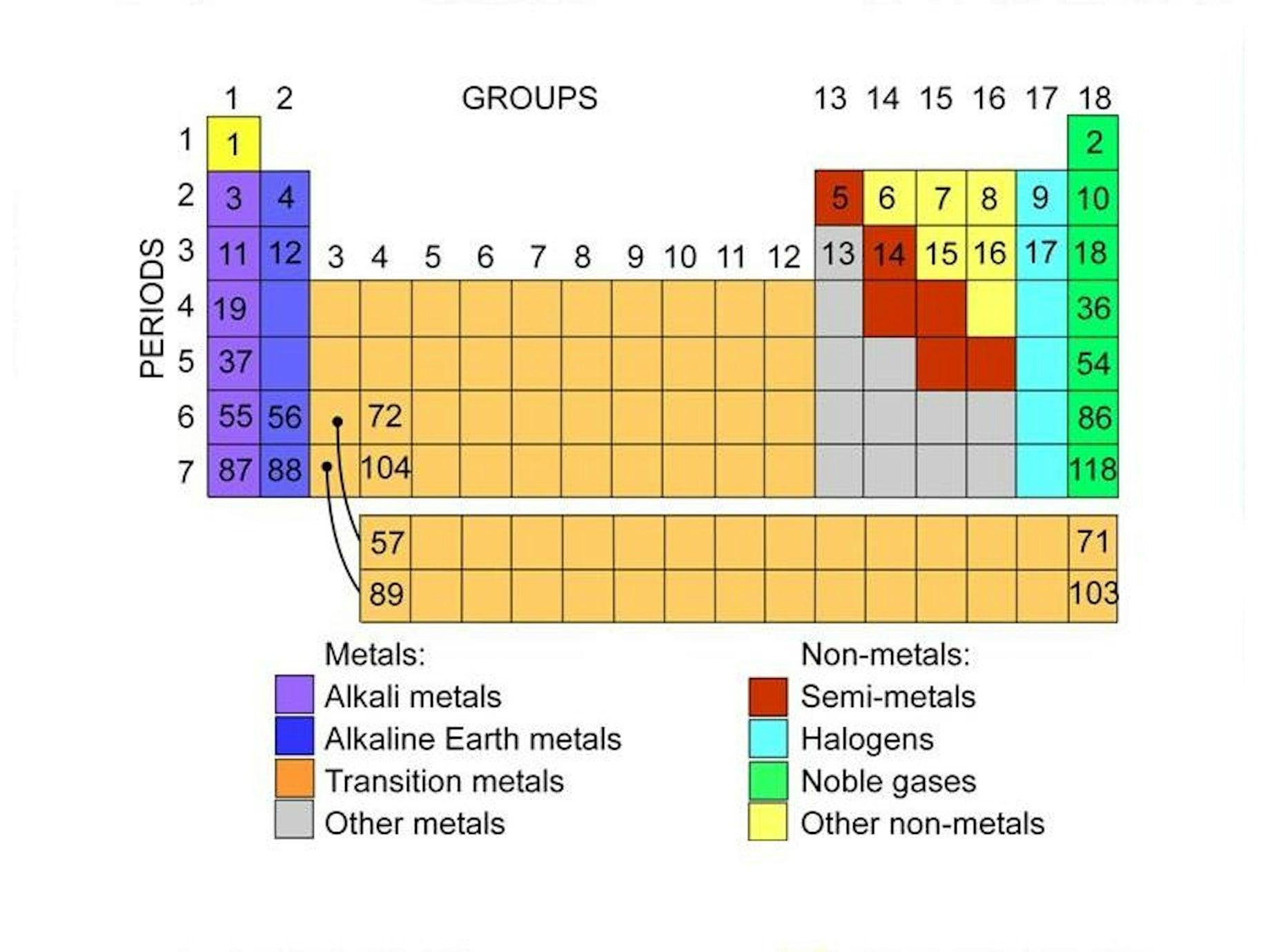
Modern educational platforms strive to provide interactive and engaging ways to present the periodic chart and chemical concepts to learners of all ages. Through dynamic drill games and resourceful books, these platforms offer new and innovative methods to ignite a passion for science and discovery. By sharing experiences and feedback with educators and peers, learners contribute to a collaborative and evolving educational landscape.
The Joy of Chemistry in Travel Adventures
As we align our newfound chemical knowledge with the broader experiences of life, travel presents a unique and enriching opportunity. Understanding chemistry can enhance our appreciation for the vibrant hues of a seaside sunset, the geothermal wonders encountered in volcanic regions, and the artisanal skills of glassblowing in historical cities. Chemistry is not confined to textbooks but is experienced with every new journey, making travel an educational voyage through the elements of our world.