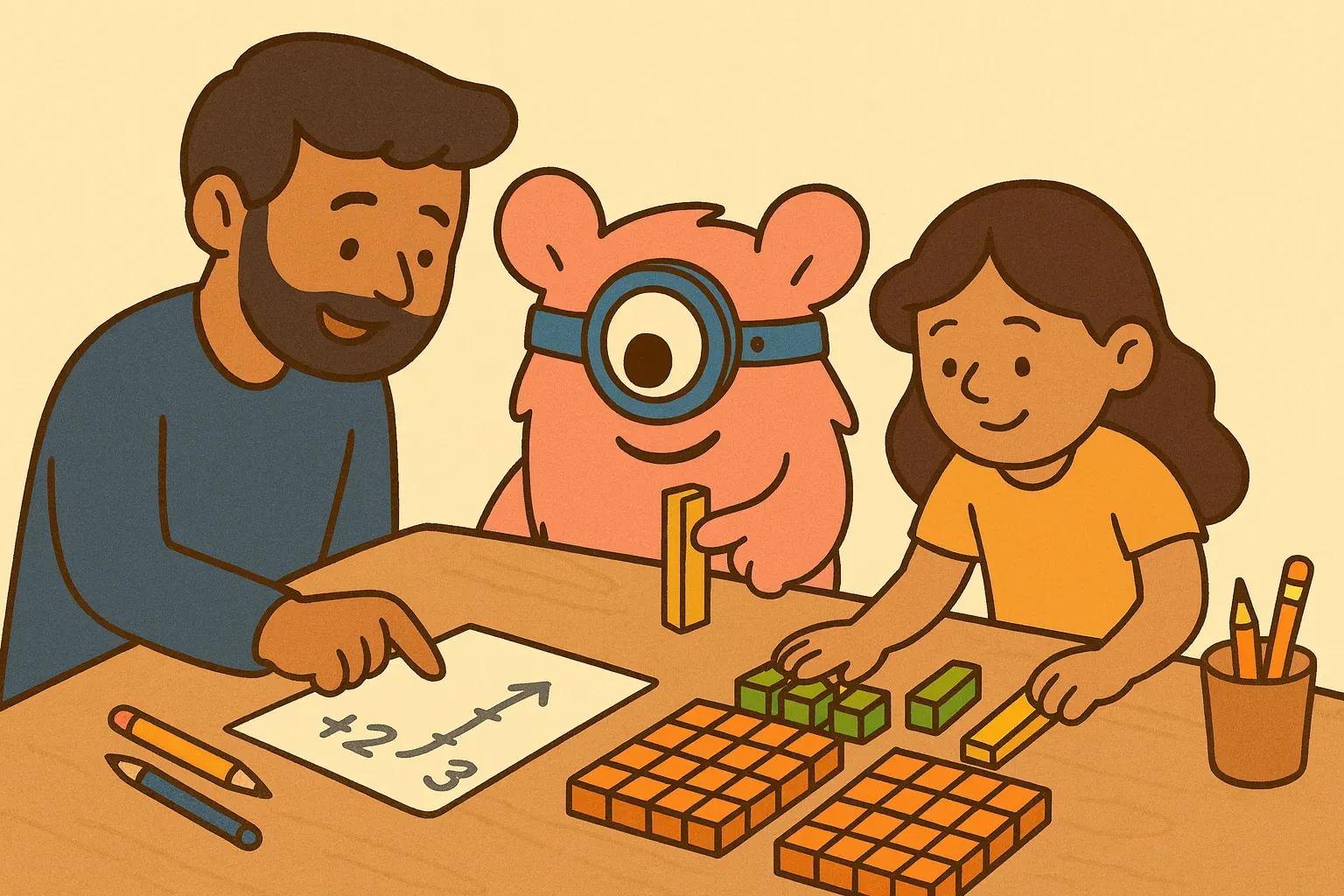
Mathematics is not only a foundational subject in education, but also a critical skill set in many aspects of life. To cultivate a love for mathematics and enhance understanding, interactive tools such as Math Squares, FlashCards, Math Tables, and Time Experience games have been developed. These tools make learning engaging and accessible, transforming the traditional classroom experience.
Embracing the Math Square Revolution
One of the innovative tools that has revolutionized how students engage with mathematics is the Math Square. With simple directions and a focus on interactive learning, Math Squares turn challenging problems into fun puzzles. This approach encourages students to think critically and develop their problem-solving skills in an engaging way.
Why Use FlashCards to Learn Mathematics?
FlashCards have long been a staple in education, but their impact in learning mathematics cannot be overstated. They promote quick recall of facts and formulas, which is especially beneficial when mastering the basics of arithmetic, geometry, and algebra. Furthermore, digital FlashCards add a level of interactivity and instant feedback that paper cards cannot match.
Math Tables: A Tool for Mastery
Memorizing Math Tables can seem daunting to young learners. Yet, with interactive digital tables, students can engage in repetitive practice without the monotony. Features that track progress and adapt to a student's skill level help make the process more rewarding and less intimidating.
Discovering Time with the Time Experience Game

Understanding the concept of time is essential for daily life and many mathematical concepts. Interactive Time Experience games make this abstract concept tangible, allowing learners to manipulate time and see the immediate results of their actions, thus cementing their understanding of hours, minutes, and seconds.
Math as the Universal Language of our Travel Experiences
Ultimately, math is not just a subject we leave behind in the classroom—it is the universal language that guides us through travel and exploration. When we budget for a trip or convert currencies, when we calculate distances or read time schedules, we are applying the skills and knowledge nurtured by interactive mathematical tools. By engaging with these educational resources, students are not only enhancing their academic abilities but also preparing for the real-world mathematics that makes travel and adventure possible.