Welcome to Time Math

Embracing the journey of learning can be as thrilling as discovering new destinations — particularly when it comes to the foundational skill of telling time. WellCenter proudly supports the educational trajectory of young minds with a variety of drill games accessible through convenient tabs. Let's embark on a temporal adventure where clocks become both tool and teacher.
Fostering Time Skills in Early Education
As students navigate the first and second grades, the introduction to time-telling becomes an essential milestone. To equip these young learners with the necessary know-how of analog timepieces, we present three engaging drills:
Analog Clock Flashcards
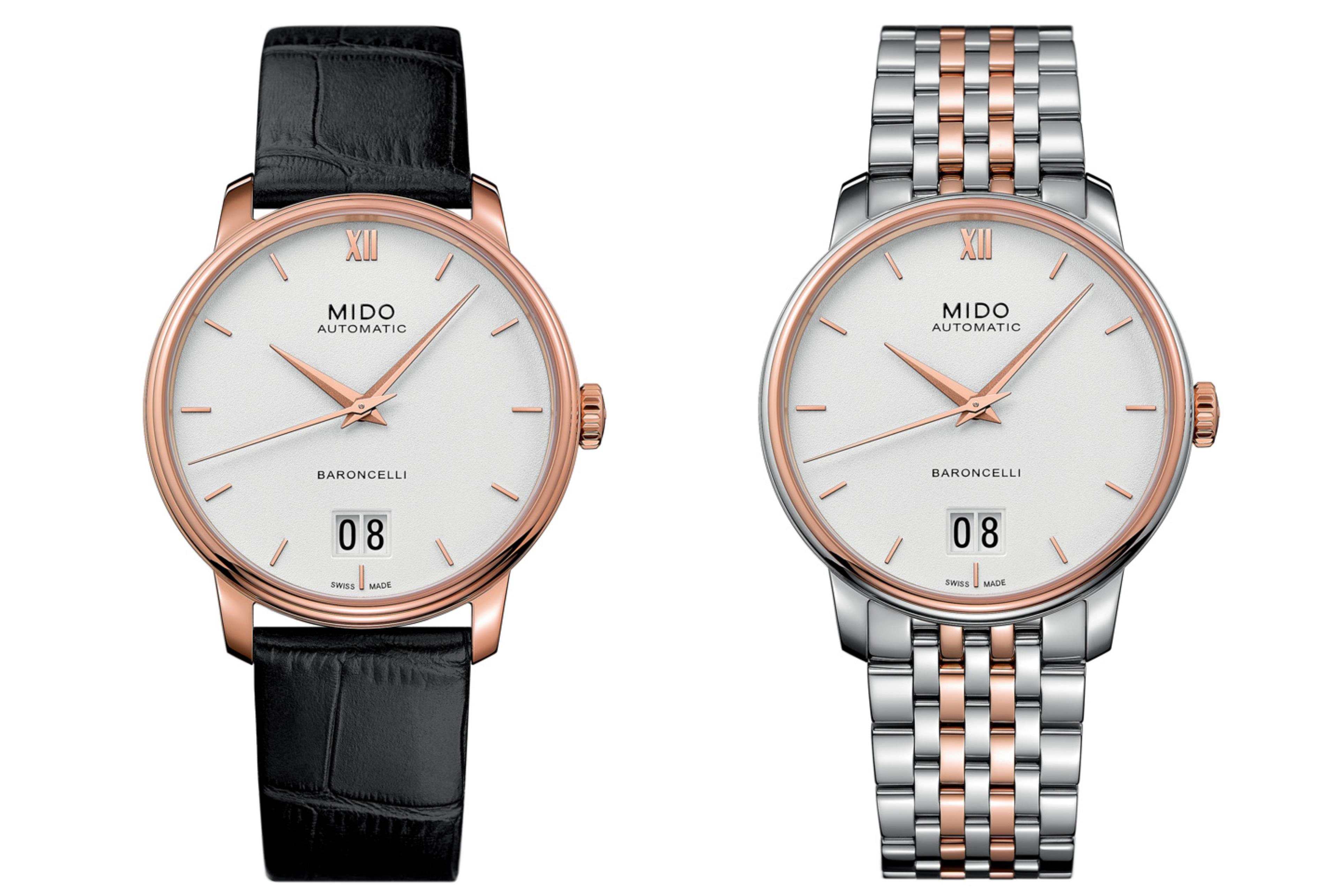
In this exercise, students are shown an analog clock displaying a specific time, challenging them to accurately enter the corresponding hours and minutes, thereby bolstering their recognition and comprehension of analog clocks.
Analog Clock Compare
With a pair of analog clocks side by side, students must employ their newfound skills to discern which displays the greater or lesser time, or if they are identical, hence sharpening their comparative analysis abilities.
Analog Time Difference

This drill invites students to calculate the time difference between two analog clock faces, reinforcing their arithmetic technique while deepening their conceptual understanding of the flow of time.
Navigating Non-Analog Time Computations
Outside the sphere of analog clocks, WellCenter's resources also extend to exercises that handle non-analog time and date difference calculations, affirming a comprehensive approach to chronological education.
Demystifying AM and PM: Focus on the Basics
We understand the curiosity surrounding the differentiation between AM and PM in the context of 12-hour clock systems. It's important to clarify that the core objective here is to teach the reading of an analog clock. Adjusting for AM and PM is a matter of adding 12 to the number, a straightforward operation we trust students can handle. This focus on foundational skills has been fortified by feedback indicating a unanimous lack of concern from teachers regarding the AM/PM dichotomy.
Time Telling: A Journey Beyond the Classroom
With time-telling skills securely fastened in their educational luggage, students can navigate more than just the hours and minutes of the day — they can use this knowledge to understand the itineraries of travel. The ability to tell time confidently opens up a world of independence and readiness, essential for any adventure whether it be within the pages of a book or the exploration of new horizons.